
- January 12, 2026
- Posted by: admin_
- Category: Public
Exploring how cultural differences shape gambling behaviors worldwide
The Influence of Culture on Gambling Practices
Cultural norms and values play a pivotal role in shaping gambling behaviors across the globe. In some societies, gambling is embraced as a common social activity, while in others, it is viewed with skepticism or outright disapproval. For example, in countries like China, traditional games such as Mahjong are not only popular but are also steeped in historical significance, making them a staple in social gatherings. Conversely, in countries with strict regulations against gambling, such as some in the Middle East, engaging in such activities can lead to severe penalties, thus influencing public perception and participation rates. In this context, finding a casino not on gamstop may offer alternatives for those seeking excitement.
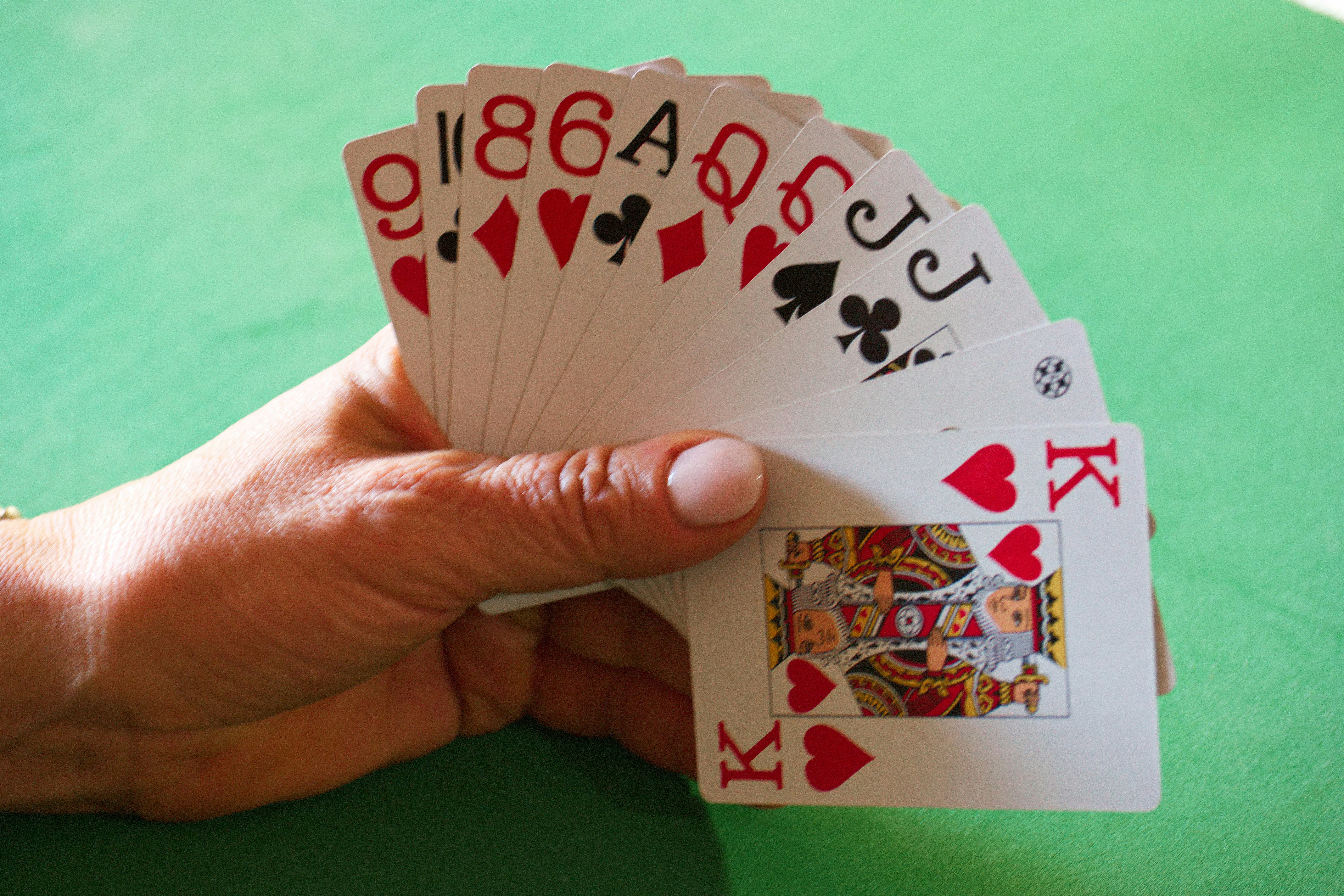
Moreover, cultural backgrounds can dictate the types of gambling people are drawn to. While some cultures prefer games of chance, others might lean towards strategic games that require skill. This affinity for specific types of gambling can reflect deeper societal values, such as the emphasis on luck versus merit, thus fostering diverse gambling landscapes worldwide.
Social Impacts of Gambling Across Cultures
The social implications of gambling vary significantly depending on cultural context. In many Western cultures, gambling is often seen as a form of entertainment, frequently integrated into social activities. Casinos, for instance, are designed to create an atmosphere of excitement, where individuals come together to enjoy both gambling and socializing. In these environments, camaraderie and shared experiences can enhance the appeal of gambling.
On the other hand, in cultures where gambling is frowned upon or associated with negative consequences, individuals may experience social stigmatization or isolation. This cultural dichotomy impacts how individuals approach gambling, with some seeing it as a communal activity while others may view it as a taboo. Such differences highlight the importance of understanding the cultural context in which gambling behaviors develop.
The Role of Religion in Shaping Gambling Attitudes
Religion significantly influences attitudes toward gambling around the world. In many predominantly Muslim countries, Islamic teachings prohibit gambling, leading to a culture where gambling is socially unacceptable. This religious stance can affect not only personal beliefs but also national policies regarding gambling establishments and activities.
In contrast, in cultures with less restrictive religious frameworks, such as various Christian denominations, gambling might be tolerated or even celebrated. This acceptance allows for the development of a vibrant gambling industry that thrives on the participation of enthusiastic individuals. Thus, religion acts as a powerful force that can either hinder or foster gambling behaviors, reflecting the diverse moral landscapes across cultures.
The Economic Dimensions of Gambling in Different Cultures
The economic implications of gambling are profound, with cultural attitudes influencing both local economies and national revenues. In regions where gambling is legalized and embraced, such as Las Vegas or Macau, it can become a significant economic driver, generating revenue and creating job opportunities. These areas often flourish economically, with tourism playing a vital role in sustaining the gambling sector.
Conversely, in places where gambling is restricted or illegal, there is often a rise in underground gambling markets. These unregulated environments can lead to economic instability and increased crime rates, illustrating the potential negative consequences of cultural attitudes against gambling. Understanding these economic dimensions can provide valuable insights into the broader impacts of gambling on societies around the world.

Website Overview and Resources
This website serves as a comprehensive resource for exploring the multifaceted relationship between culture and gambling behaviors worldwide. It offers insights into various cultural practices, economic impacts, and the social dynamics that influence gambling activities across different regions. With a focus on research and education, the platform aims to foster a better understanding of how cultural differences shape the gambling landscape globally.
By delving into these cultural nuances, visitors can gain valuable perspectives on their own gambling experiences and those of others, promoting a greater awareness of the diverse gambling environments that exist today. Whether you are a casual gambler or a cultural enthusiast, the resources provided here will enhance your knowledge and appreciation of this intricate subject.
